

Echo provides both operator and safety manuals‚ crucial for safe operation; neglecting them could lead to injury or damage.
ECHO Trimmer/Brushcutter models‚ like SRM-1500 and SRM-2300‚ are designed for efficient weed and grass control in various areas.
Access additional literature‚ including safety manuals‚ and answers to frequently asked questions at the official Echo-USA website.
What is an Echo Weed Trimmer?
Echo weed trimmers‚ also known as grass trimmers or weed eaters‚ are powerful‚ versatile tools designed for maintaining lawns and landscapes. These units excel at trimming grass and controlling weeds in areas inaccessible to lawn mowers‚ such as along fences‚ around trees‚ and in tight corners.
ECHO offers a diverse range of models‚ including lightweight gasoline-powered options like the SRM-1500 and SRM-2300‚ as well as battery-powered alternatives. These trimmers utilize rotating trimmer string to effectively cut vegetation. Proper operation requires understanding the specific model and adhering to safety guidelines outlined in the operator’s manual.

Echo grass trimmers/brushcutters are engineered for high performance‚ making yard maintenance more efficient. Always consult the manual for detailed instructions and safety precautions before use.
Importance of the Manual
The Echo operator’s manual is absolutely essential for the safe and effective use of your weed trimmer. It contains critical information regarding assembly‚ operation‚ maintenance‚ and troubleshooting specific to your model.
ECHO explicitly states that both the operator’s manual and the safety manual must be read and fully understood before operating the equipment. Failure to do so can result in serious injury to yourself or others‚ or damage to the trimmer itself.
The manual details proper trimming techniques‚ safety precautions like required Personal Protective Equipment (PPE)‚ and how to find additional resources. Always refer to your manual for the most accurate and up-to-date information regarding your Echo product.
Safety First: Essential Precautions
ECHO emphasizes reading the safety manual alongside the operator’s manual to understand crucial safety rules and prevent potential hazards during operation.
Personal Protective Equipment (PPE)
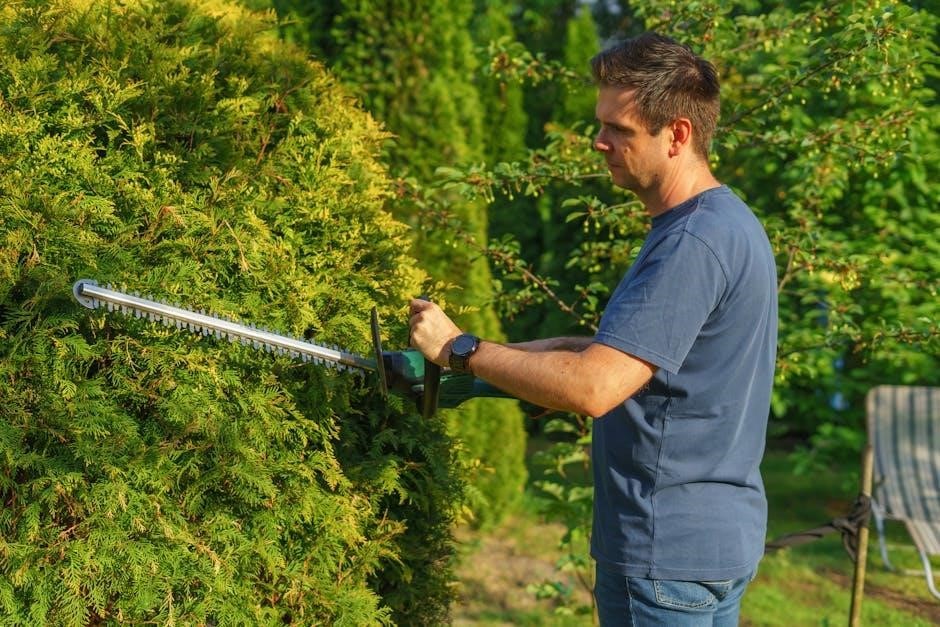
ECHO strongly recommends wearing appropriate Personal Protective Equipment (PPE) during operation to minimize risks. This includes‚ fundamentally‚ sturdy‚ long trousers and substantial shoes featuring non-slip soles‚ providing essential leg and foot protection against projectiles.
Eye protection‚ such as safety glasses or a face shield‚ is paramount to shield against flying debris. Consider wearing a helmet for added head protection‚ especially when tackling dense or challenging vegetation.
Hearing protection‚ like earplugs or earmuffs‚ is advisable due to the trimmer’s engine noise. Gloves offer improved grip and hand protection. Proper PPE significantly reduces the likelihood of injury while using your Echo equipment.
Understanding Safety Symbols
ECHO utilizes a comprehensive system of safety symbols within its manuals and on the equipment itself‚ designed to alert operators to potential hazards. These symbols aren’t merely decorative; they convey critical safety information that must be understood before operation.
Pay close attention to symbols indicating risks of projectiles‚ highlighting the necessity of PPE like eye and leg protection. Symbols denoting fire hazards emphasize proper fuel handling and storage procedures. Others warn against carbon monoxide poisoning‚ stressing the importance of outdoor use.
Familiarize yourself with each symbol’s meaning to ensure safe and responsible operation of your Echo weed trimmer. Ignoring these warnings could result in serious injury or equipment damage.
General Safety Rules
ECHO emphasizes several general safety rules for all operators. Always read and understand both the operator’s and safety manuals before using your weed trimmer. Wear appropriate Personal Protective Equipment (PPE)‚ including sturdy shoes‚ long trousers‚ and eye protection‚ to shield against thrown objects.
Ensure the work area is clear of people‚ pets‚ and obstacles. Never operate the trimmer while fatigued or under the influence of drugs or alcohol. Inspect the equipment before each use‚ checking for damaged parts.

Maintain a firm grip and proper balance during operation. Never modify the trimmer or use unauthorized attachments. Always stop the engine before refueling or performing maintenance.
Understanding Your Echo Weed Trimmer
ECHO Grass Trimmers/Brushcutters are lightweight‚ high-performance units designed for weed control‚ grass trimming‚ and brush cutting in diverse locations.
Model Identification (SRM-1500‚ SRM-2300 etc.)
Echo weed trimmers are available in a variety of models‚ each designed for specific needs and applications. Common models include the SRM-1500 and SRM-2300‚ known for their lightweight design and high performance. Identifying your specific model is crucial for accessing the correct parts and maintenance procedures.
The model number is typically located on a sticker affixed to the engine housing or the trimmer shaft. This number is essential when ordering replacement parts or consulting the Echo USA website for model-specific manuals and documentation. Accurate model identification ensures you are using the correct procedures for your particular trimmer‚ maximizing its lifespan and performance.
Referencing your owner’s manual‚ or the Echo website‚ with your model number will provide detailed specifications and diagrams specific to your unit.
Component Overview
Echo weed trimmers consist of several key components working in unison. The engine (in gasoline models) provides the power‚ while the trimmer head houses the trimmer string‚ responsible for cutting grass and weeds. A shaft connects the engine to the head‚ and handles provide user control.
The shield protects the operator from debris. Gasoline models feature a fuel tank‚ carburetor‚ and spark plug‚ vital for combustion. Battery-powered models utilize a battery pack and electric motor. Understanding each component’s function is essential for proper maintenance and troubleshooting.
Refer to your owner’s manual for detailed diagrams illustrating each part and its location. Familiarizing yourself with these components will aid in assembly‚ repairs‚ and overall trimmer care.
Engine Components (Gasoline Models)
Echo gasoline weed trimmers rely on a robust engine comprised of several critical parts. The fuel tank stores the gasoline-oil mixture‚ feeding it to the carburetor‚ which mixes air and fuel for combustion. A spark plug ignites this mixture‚ driving the piston and powering the trimmer.
The muffler reduces engine noise‚ while the recoil starter initiates the engine. An air filter prevents debris from entering the engine‚ ensuring optimal performance. Regular inspection and maintenance of these components – particularly the spark plug and air filter – are vital for reliable operation.
Consult your owner’s manual for specific details regarding your model’s engine and recommended maintenance schedules.
Trimmer Head and String
The trimmer head securely holds the trimmer string‚ which performs the actual cutting of grass and weeds. Echo utilizes various head types‚ including bump feed and automatic feed‚ each with its own method for advancing the line.
Trimmer string comes in different shapes and diameters‚ influencing cutting performance. Round line is versatile‚ while square or multi-sided line offers increased cutting power. Proper string installation is crucial for efficient operation and preventing jams.
Refer to your owner’s manual for instructions on replacing the trimmer string and understanding your specific head type. Maintaining the correct string length is also essential for optimal trimming.
Assembly Instructions
Before operating your Echo weed trimmer‚ proper assembly is vital for safety and performance. Always consult your owner’s manual for model-specific instructions. Begin by carefully unpacking all components and verifying their presence against the parts list.
Typically‚ assembly involves attaching the handle to the shaft‚ ensuring a secure and comfortable grip. Next‚ install the shield‚ which protects the operator from flying debris. Tighten all bolts and fasteners firmly‚ but avoid over-tightening.
Double-check all connections before use. Improper assembly can lead to malfunctions or safety hazards. Refer to the diagrams in your manual for visual guidance throughout the process.
Handle and Shaft Assembly
The initial step in assembling your Echo weed trimmer involves securely attaching the handle to the shaft. Locate the handle mounting points on the trimmer shaft‚ as illustrated in your owner’s manual. Align the handle with these points and insert the provided bolts.
Tighten the bolts firmly using the appropriate tools‚ ensuring the handle is stable and doesn’t wobble. Adjust the handle position for optimal comfort and control during operation. A properly assembled handle contributes significantly to user ergonomics.
Verify that all bolts are tightened to the manufacturer’s specifications. A loose handle can compromise control and potentially lead to accidents. Refer to the manual for torque values if available.
Shield Installation
Proper shield installation is paramount for operator safety when using your Echo weed trimmer. Locate the trimmer shield and mounting hardware included with your unit. Position the shield around the trimmer head‚ aligning the mounting holes.
Secure the shield using the provided bolts or screws‚ tightening them firmly. Ensure the shield completely encloses the trimmer head‚ preventing debris from being ejected towards the operator. A correctly installed shield deflects thrown objects‚ minimizing risk.
Double-check that the shield is securely fastened before each use. Refer to your owner’s manual for specific shield installation instructions and diagrams. Never operate the trimmer without a properly installed shield.

Operation Instructions
Always read the operator’s manual before starting your Echo trimmer; understand starting procedures for both gasoline and battery-powered models for safe use.
Starting the Trimmer (Gasoline & Battery)
For Gasoline Models: Ensure the trimmer is on a level surface and the blade/string is clear of obstructions. Prime the engine by pressing the primer bulb several times until fuel is visible. Set the choke lever to the ‘start’ position. Firmly grasp the starter grip and pull the cord briskly. Repeat until the engine starts‚ then gradually release the choke.
For Battery Models: Verify the battery is fully charged and securely installed. Depress the safety lock-out button and simultaneously squeeze the trigger to initiate start-up. Release the trigger to stop the trimmer. Always disconnect the battery after use and before performing maintenance. Refer to your specific model’s manual for detailed battery charging and handling instructions.
Trimming Techniques
Cutting Grass and Weeds: Maintain a slight angle when trimming‚ moving in a sweeping arc rather than directly into thick vegetation. Avoid forcing the trimmer; let the string do the work. For tough weeds‚ reduce your walking speed and use a side-to-side motion. Be mindful of objects that could be thrown by the trimmer head.

Edging Techniques: Rotate the trimmer head 90 degrees for edging along sidewalks and driveways. Use a controlled‚ steady pace‚ guiding the string along the edge. Avoid digging into the surface; a light touch provides the cleanest results. Proper technique minimizes wear on the trimmer line and ensures a professional finish.
Cutting Grass and Weeds
When cutting grass and weeds‚ maintain a consistent walking speed and a slight angle to the vegetation. Avoid attempting to cut through excessively thick growth in a single pass; instead‚ utilize a sweeping‚ arc-like motion. This technique minimizes strain on the trimmer and extends the life of the trimmer string.
Remember to let the rotating string perform the cutting action – do not force the trimmer head into the grass or weeds. Reduce walking speed when encountering denser areas‚ employing a controlled side-to-side movement for optimal results. Always be aware of potential projectiles.
Edging Techniques
For precise edging along sidewalks‚ driveways‚ and flowerbeds‚ tilt the trimmer head to a vertical position‚ carefully rotating the cutting string along the edge. Maintain a steady hand and a slow‚ controlled pace to achieve a clean‚ defined line.
Avoid direct contact between the trimmer head and hard surfaces like concrete‚ as this can rapidly wear down the trimmer string. Utilize short‚ sweeping motions‚ gradually advancing along the edge. Regularly inspect the line for wear and replace it as needed to maintain optimal performance and a professional finish.
Adjusting Trimmer Line Feed
Echo trimmers utilize various line feed systems; understanding yours is key. Most models feature a bump feed mechanism. While trimming‚ gently tap the trimmer head against the ground. This action releases more line from the spool. Avoid excessive bumping‚ as it can wear components prematurely.
Some models have automatic feed systems‚ requiring no manual bumping. If the line doesn’t advance‚ check the spool for proper installation and ensure the line isn’t tangled. Regularly inspect and clean the trimmer head to maintain smooth line feed operation. Refer to your specific model’s manual for detailed instructions.
Maintenance and Care
Regular maintenance‚ including line replacement‚ air filter cleaning‚ and spark plug checks‚ ensures optimal performance and extends the life of your Echo trimmer.
Trimmer Line Replacement
Replacing the trimmer line is a routine maintenance task vital for continued effective trimming. First‚ ensure the trimmer is switched off and disconnected from any power source – gasoline or battery. Access the trimmer head‚ typically by removing the spool cover. Carefully remove the old trimmer line‚ noting its direction of winding onto the spool.
Cut a new length of trimmer line‚ consulting your Echo manual for the correct diameter and length specifications for your model. Wind the new line onto the spool in the same direction as the old line‚ ensuring it’s wound neatly and evenly. Reassemble the spool cover‚ ensuring it clicks securely into place.

Finally‚ test the line feed mechanism to confirm proper operation before resuming trimming. Proper line replacement maintains cutting efficiency and prevents damage to the trimmer head.
Air Filter Cleaning
Regular air filter cleaning is crucial for maintaining optimal engine performance in your Echo weed trimmer. A dirty air filter restricts airflow‚ leading to reduced power and increased fuel consumption. Begin by locating the air filter cover‚ usually secured with a clip or screw. Remove the cover and carefully take out the air filter element.
Inspect the filter for dirt and debris. If it’s lightly soiled‚ gently tap it to remove loose particles. For more stubborn dirt‚ wash the filter in warm‚ soapy water‚ then rinse thoroughly and allow it to dry completely before reinstalling.
Replace the filter if it’s damaged or excessively dirty. Reassemble the air filter cover‚ ensuring a secure fit. Clean filters ensure efficient engine operation.
Spark Plug Inspection (Gasoline Models)
Regular spark plug inspection is vital for ensuring reliable starting and efficient combustion in gasoline-powered Echo weed trimmers. Begin by disconnecting the spark plug wire‚ taking care to avoid any electrical shock. Use a spark plug wrench to carefully remove the spark plug from the engine.
Inspect the spark plug’s electrode for wear‚ carbon buildup‚ or damage. A healthy spark plug should have a clean‚ slightly tan or gray electrode. If the plug is fouled with carbon‚ clean it with a wire brush or replace it.
Check the spark plug gap using a feeler gauge and adjust it to the manufacturer’s specifications. Reinstall the spark plug and reconnect the wire securely.
Fuel System Maintenance (Gasoline Models)
Maintaining the fuel system is crucial for the longevity of your Echo gasoline weed trimmer. Always use fresh fuel and a fuel stabilizer to prevent deterioration‚ especially during storage. Periodically inspect the fuel lines for cracks or leaks‚ replacing them if necessary.
The fuel filter should be checked and cleaned or replaced regularly to prevent debris from entering the carburetor. A clogged fuel filter can cause starting problems and reduced engine performance.
Avoid spilling fuel and always refuel in a well-ventilated area. If the carburetor requires cleaning‚ consult a qualified technician for proper disassembly and cleaning procedures.
Storage Instructions
Proper storage extends the life of your Echo weed trimmer. Before long-term storage‚ drain the fuel tank completely to prevent fuel degradation and carburetor issues. Run the engine until it stops to ensure the carburetor is empty.
Clean the trimmer thoroughly‚ removing any grass or debris. Store the unit in a dry‚ secure location‚ away from direct sunlight and extreme temperatures. For gasoline models‚ consider adding fuel stabilizer to the tank if complete draining isn’t possible.
Remove the spark plug wire for added safety. Inspect and clean the air filter before storage. Properly store the trimmer head to prevent damage to the trimmer line.
Troubleshooting Common Issues
Common problems include starting difficulties‚ line feed issues‚ and excessive vibration; consult the manual for solutions and safety precautions before attempting repairs.
Trimmer Won’t Start
If your Echo trimmer fails to start‚ several factors could be at play. First‚ ensure you’ve followed the correct starting procedure outlined in your operator’s manual‚ differing slightly for gasoline and battery models.
For gasoline models‚ check the fuel level and ensure fresh fuel is being used. A clogged air filter or a fouled spark plug are common culprits; inspect and clean or replace as needed. Verify the choke is properly engaged during cold starts.
For battery models‚ confirm the battery is fully charged and correctly installed. Inspect the battery terminals for corrosion. If issues persist‚ consult the manual’s troubleshooting section or Echo customer support for further assistance.
Always disconnect the spark plug wire (gasoline) or battery (battery) before performing any maintenance or inspection.
Line Feed Problems
Experiencing issues with trimmer line feed? Your Echo manual details solutions for common problems. Often‚ the line is tangled within the trimmer head; disassemble and carefully untangle‚ ensuring proper winding onto the spool.
Insufficient line feed can also stem from a worn or damaged spool. Inspect the spool for cracks or breaks and replace if necessary. Ensure you’re using the correct diameter line specified in your manual.
A dirty or obstructed line feed mechanism can hinder operation. Clean the trimmer head thoroughly‚ removing any debris; Refer to the manual’s diagrams for proper disassembly and cleaning procedures.
Proper line installation is key; follow the manual’s instructions precisely.
Vibration Issues
Excessive vibration during operation can indicate several potential problems. Your Echo manual stresses the importance of addressing this promptly to prevent fatigue and potential injury. First‚ check that all components – shield‚ handle‚ and trimmer head – are securely fastened.
Loose parts are a common cause of vibration. Tighten all bolts and screws according to the torque specifications outlined in the manual. Inspect the anti-vibration system for damage or wear; replacement may be necessary.
An unbalanced trimmer head can also contribute to vibration. Ensure the line is evenly distributed on the spool. If the vibration persists‚ consult a qualified Echo service technician.
Always prioritize safety and refer to your manual.

Finding Additional Resources
Echo USA’s website (echo-usa.com/manuals) offers a comprehensive library of operator and safety manuals for all trimmer models.
For direct support or questions‚ contact Echo Customer Support for assistance with your weed eater.
Echo USA Website for Manuals
Echo’s official website‚ echo-usa.com/manuals‚ serves as a central repository for all product documentation‚ including comprehensive owner’s manuals and vital safety guides for your weed and grass trimmer.
This online resource allows users to easily locate and download the specific manual corresponding to their trimmer model – whether it’s a SRM-1500‚ SRM-2300‚ or another variant.

The website provides access to both operator manuals detailing operation and maintenance‚ and separate safety manuals outlining crucial precautions to ensure safe usage.
Navigating the site is straightforward; simply search by model number to quickly find the relevant documentation‚ ensuring you have the information needed for optimal performance and safety.
Regularly checking the website for updates is recommended.
Contacting Echo Customer Support
For personalized assistance regarding your Echo weed or grass trimmer‚ or if you require a physical copy of the operator or safety manual‚ Echo Incorporated provides dedicated customer support channels.
You can reach Echo directly by writing to them at 400 Oakwood Road‚ Lake Zurich‚ IL. This is particularly useful if you need a replacement manual or have specific questions not addressed online.
While direct phone support details aren’t explicitly provided in the available information‚ the Echo-USA website (echo-usa.com) is the primary point of contact for inquiries.
Utilizing the website’s contact form or exploring the FAQ section can often resolve common issues quickly. Remember to have your trimmer’s model number readily available when contacting support for efficient assistance.