
Thyroid ultrasound-guided biopsies are crucial for diagnosing thyroid abnormalities, relying on precise imaging and specific CPT codes for accurate billing and reimbursement․
Understanding these codes, like 10005, is vital for healthcare professionals navigating the complexities of medical coding in 2024 and beyond․
Overview of Thyroid Nodules and Biopsy Necessity
Thyroid nodules are remarkably common, with a significant portion of the population developing them during their lifetime․ While most are benign, a subset harbor malignancy, necessitating careful evaluation․ Palpation alone is often insufficient for accurate characterization, leading to the widespread adoption of ultrasound as the initial imaging modality․
Ultrasound allows for detailed assessment of nodule size, composition (cystic, solid, or mixed), and features suggestive of malignancy, such as irregular margins or microcalcifications․ However, ultrasound cannot definitively diagnose cancer․ Therefore, ultrasound-guided fine needle aspiration (FNA) biopsy becomes essential․ This minimally invasive procedure allows for the retrieval of cells from the nodule for cytological examination, providing a definitive diagnosis․
The necessity of a biopsy is guided by established risk stratification systems, considering factors like nodule size and ultrasound characteristics․ Accurate CPT coding, starting with code 10005 for the initial lesion, is paramount for appropriate reimbursement of this critical diagnostic procedure․
Importance of Accurate CPT Coding for Reimbursement
Accurate CPT coding is absolutely critical for successful reimbursement of thyroid ultrasound-guided biopsies․ Incorrect coding can lead to claim denials, delayed payments, or even accusations of fraud․ The healthcare landscape demands precise documentation and code selection to reflect the services rendered accurately․
Specifically, utilizing the correct CPT code – primarily 10005 for the initial lesion – ensures that the procedure is appropriately valued and compensated by insurance payers․ Furthermore, proper application of add-on codes like 10006 (for each additional lesion biopsied during the same session) is essential for capturing the full scope of the service․
Staying current with the latest AMA CPT guidelines and updates is also vital, as codes can change annually․ Failure to adapt to these changes can significantly impact revenue cycle management․ Detailed documentation supporting the services provided is the foundation for successful claim submissions and timely reimbursement․
Primary CPT Code for Thyroid Ultrasound-Guided Biopsy
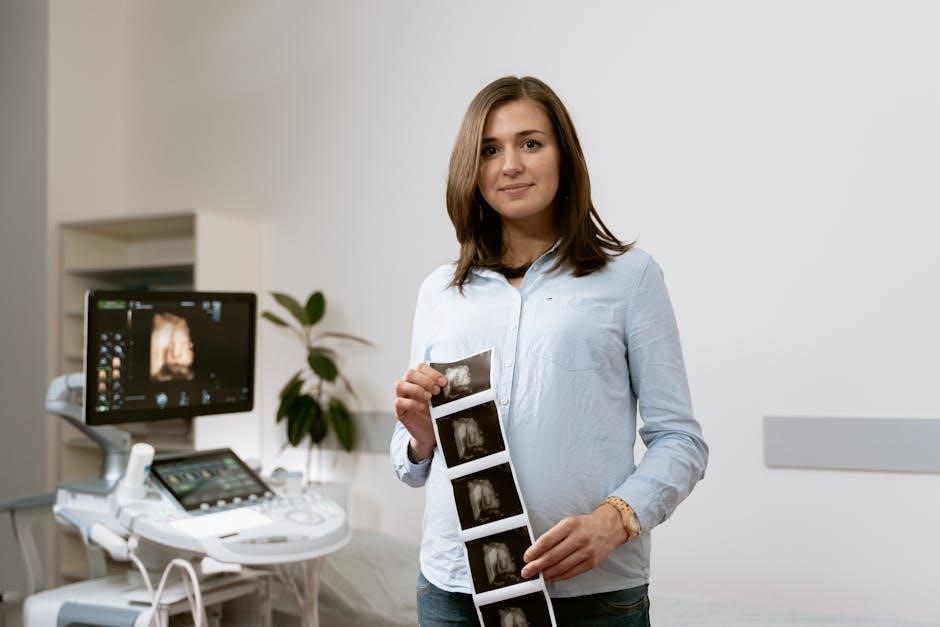
CPT code 10005 is the foundational code for reporting an ultrasound-guided fine needle aspiration (FNA) of the thyroid, representing the core procedure․
CPT Code 10005: The Core Code
CPT code 10005 represents the primary code utilized for reporting an ultrasound-guided fine needle aspiration (FNA) of a thyroid nodule․ This code encompasses the entire procedure, from initial ultrasound guidance to the actual needle aspiration and sample collection․ It’s considered the “core” code because it’s the base for billing a single lesion biopsy․
Historically, different codes were used, but 10005 consolidated the billing process for this common procedure․ It’s crucial to understand that this code specifically covers the FNA performed under real-time ultrasound visualization, ensuring accurate targeting of the suspicious nodule․ Proper documentation detailing the ultrasound findings and the FNA procedure itself is essential for successful reimbursement․
The use of 10005 signifies a minimally invasive diagnostic approach to evaluating thyroid nodules, aiding in the determination of malignancy and guiding subsequent patient management․ Accurate application of this code is paramount for both providers and billing departments․
Details of What CPT 10005 Covers
CPT code 10005 specifically covers ultrasound guidance during the aspiration of a single thyroid nodule using a fine needle․ This includes the physician’s time for reviewing the ultrasound images, identifying the target lesion, and meticulously directing the needle to obtain an adequate sample․ It also encompasses the interpretation of the ultrasound findings during the procedure to ensure accurate needle placement․
Importantly, 10005 includes all the necessary components for a complete single-lesion biopsy – the ultrasound examination directly related to the FNA, the needle insertion, and sample collection․ However, it does not include the pathological examination of the sample; that’s billed separately․
Furthermore, the code covers the professional component of the procedure․ Facilities may bill separately for the technical component․ Detailed documentation supporting medical necessity and the specific findings guiding the biopsy is crucial for appropriate reimbursement when utilizing code 10005․
Additional CPT Codes Related to Thyroid Biopsy
Beyond 10005, codes like 10006 (additional lesions) and 10010 (CT-guided FNA) are essential for comprehensive billing of thyroid biopsies․
CPT Code 10006: US Thyroid FNA; Each Additional Lesion
CPT code 10006 represents reimbursement for each additional lesion biopsied during an ultrasound-guided fine needle aspiration (FNA) of the thyroid․ This code is crucial when a patient presents with multiple thyroid nodules requiring separate evaluation․ It’s important to understand that 10006 is an add-on code, meaning it cannot be billed independently; it must be reported in conjunction with the primary code, 10005, which covers the initial lesion biopsy․

Proper documentation is paramount when utilizing 10006․ The medical record should clearly delineate each distinct nodule targeted during the procedure, confirming that each represents a separate lesion․ Simply stating “multiple nodules” isn’t sufficient․ Detailed imaging reports and notes specifying the location and characteristics of each biopsied nodule are necessary to support the billing of this add-on code․ Accurate coding ensures appropriate reimbursement for the physician’s work and contributes to transparent billing practices․
CPT Code 10010: CT Fine Needle Aspiration; Each Additional Lesion
CPT code 10010 is utilized for reporting each additional lesion biopsied during a CT-guided fine needle aspiration (FNA) procedure․ While thyroid biopsies are predominantly ultrasound-guided, CT guidance may be employed in specific cases, such as deeply located or complex nodules․ Similar to 10006, 10010 functions as an add-on code and requires a primary procedure code to be billed correctly․
The primary code for the initial CT-guided thyroid FNA isn’t explicitly stated in the provided context, but it’s essential to identify and use the appropriate base code alongside 10010; Thorough documentation is critical; each additional lesion must be clearly identified in the medical record, detailing its location and characteristics․ Justification for utilizing CT guidance over ultrasound should also be documented․ Accurate application of 10010 ensures appropriate reimbursement when CT guidance is medically necessary for comprehensive thyroid nodule evaluation․
Guidance Techniques and Corresponding Codes
CPT codes reflect guidance methods for thyroid biopsies: ultrasound (76942), fluoroscopic (77002), and MRI (10011 & 10012) ensure accurate coding․
Ultrasound Guidance: CPT 76942
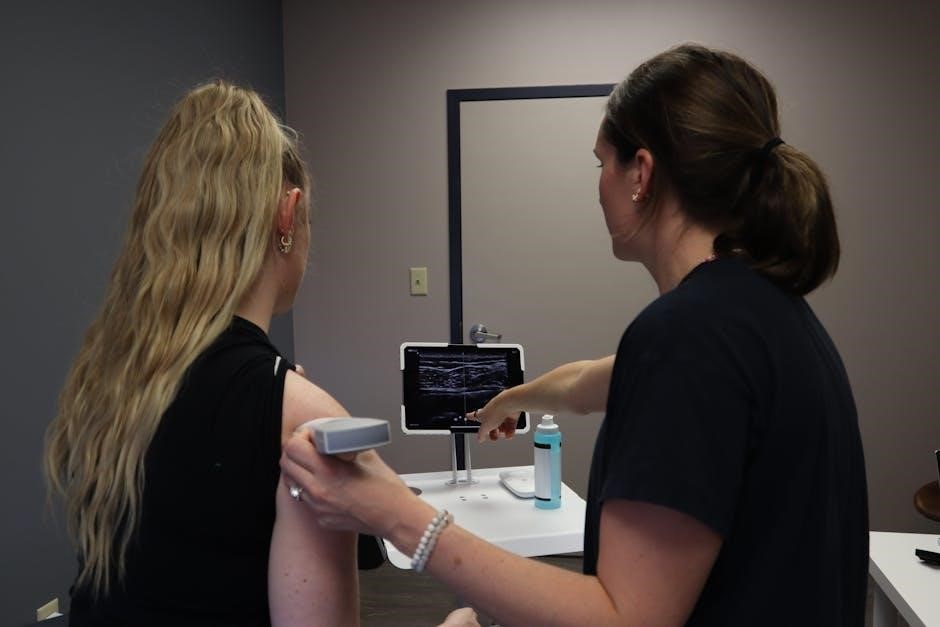
CPT code 76942 specifically represents guidance via ultrasound during a percutaneous needle placement․ This is the most common guidance technique utilized for thyroid biopsies, offering real-time visualization of the thyroid nodule and surrounding structures․
The use of ultrasound allows for precise needle targeting, minimizing the risk of damaging adjacent tissues and maximizing the accuracy of sample collection․ It’s crucial to document the use of ultrasound guidance alongside the biopsy procedure itself to ensure appropriate reimbursement․
This code is reported in conjunction with the primary biopsy code (typically 10005) when ultrasound is employed for guidance․ Proper documentation should clearly state that ultrasound was utilized to direct the needle to the target lesion, supporting the use of CPT code 76942․
Accurate application of this code is essential for compliant billing and reflects the enhanced precision and safety offered by ultrasound-guided thyroid biopsies․
Fluoroscopic Guidance: CPT 77002
CPT code 77002 describes the use of fluoroscopic guidance for a percutaneous needle placement․ While less common than ultrasound for thyroid biopsies, fluoroscopy can be utilized in specific cases where ultrasound visualization is limited or inadequate․
Fluoroscopy employs real-time X-ray imaging to guide the needle to the target thyroid nodule․ This technique is particularly useful when dealing with deeply located nodules or those obscured by anatomical structures․ However, it involves radiation exposure, which must be carefully considered․
Like ultrasound guidance (76942), code 77002 is reported in addition to the primary biopsy code (10005)․ Thorough documentation is paramount, clearly justifying the medical necessity of fluoroscopic guidance over ultrasound․
The documentation should explicitly state the reasons for choosing fluoroscopy, such as poor ultrasound visibility, and confirm that appropriate radiation safety measures were implemented․ Accurate coding ensures appropriate reimbursement for this specialized procedure․
MRI Guidance: CPT 10011 & 10012
CPT codes 10011 and 10012 relate to Magnetic Resonance Imaging (MRI) guidance during percutaneous needle placement․ While not the primary guidance modality for most thyroid biopsies, MRI guidance offers superior soft tissue contrast and can be valuable in specific clinical scenarios․
Code 10011 represents MRI guidance for the initial lesion, while 10012 is used for each additional lesion biopsied during the same session․ This is similar to the add-on code structure seen with ultrasound guidance (10006)․
MRI guidance is typically reserved for complex cases, such as those involving atypical nodule locations or concerns about vascular structures․ It provides detailed anatomical information, enhancing the precision of needle placement․
As with fluoroscopy, MRI guidance is billed in addition to the primary biopsy code (10005)․ Comprehensive documentation is crucial, justifying the medical necessity of MRI and detailing the specific benefits it provided in guiding the procedure․
Billing Considerations for Multiple Lesions
When biopsying multiple thyroid lesions, utilize add-on CPT codes (10006, 10010) alongside the primary code (10005) for appropriate reimbursement․
Detailed documentation justifying each lesion biopsied is essential for successful claim submissions․
Using Add-on Codes (10006, 10010) Correctly
CPT codes 10006 and 10010 serve as add-on codes when performing a thyroid ultrasound-guided biopsy on additional lesions beyond the initial one billed with 10005․ CPT 10006 specifically applies to each additional lesion biopsied using Ultrasound Fine Needle Aspiration (FNA), while 10010 is for each additional lesion biopsied using CT Fine Needle Aspiration․
It’s crucial to understand these are not standalone codes․ They require the primary code, 10005, to be reported on the same claim․ Reporting 10006 or 10010 without 10005 will likely result in claim denial․ Each distinct lesion requiring separate sampling and evaluation warrants the use of the appropriate add-on code․ Accurate lesion identification and documentation are paramount to justify the use of these codes and ensure proper reimbursement․
Payers may have specific guidelines regarding the number of add-on codes they will reimburse for in a single encounter, so verifying payer policies is always recommended․
Documentation Requirements for Multiple Lesion Biopsies
Comprehensive documentation is paramount when billing for multiple thyroid lesion biopsies using add-on codes (10006, 10010)․ The medical record must clearly delineate each distinct lesion biopsied, including its size, location (using anatomical landmarks), and ultrasound characteristics․ Simply stating “multiple nodules biopsied” is insufficient․
Each FNA or core biopsy performed must be individually documented, detailing the needle passes, any complications encountered, and the specimen obtained from each lesion․ Ultrasound images demonstrating each targeted lesion are highly recommended․ The report should explicitly justify the medical necessity for biopsying each individual nodule, especially if they vary significantly in characteristics․
Clear and concise documentation supports accurate coding and minimizes the risk of audit or claim denial․ Ensure the documentation supports the use of both the primary code (10005) and any applicable add-on codes, demonstrating a separate and distinct procedure was performed on each lesion․
CPT Code Updates and Changes (2024 & Beyond)
Staying current with AMA CPT guidelines is essential for accurate billing of thyroid biopsies․ Coding changes can significantly impact reimbursement rates for procedures like 10005․
Staying Current with AMA CPT Guidelines

Maintaining up-to-date knowledge of the American Medical Association’s (AMA) Current Procedural Terminology (CPT) guidelines is paramount for accurate coding and compliant billing practices related to thyroid ultrasound-guided biopsies․ The AMA releases revised CPT codes annually, often reflecting advancements in medical technology and procedures․
For thyroid biopsies, specifically CPT code 10005 and related add-on codes like 10006, regular review of the AMA CPT manual and associated guidance is crucial․ Healthcare providers and coding staff should actively seek updates through AMA publications, professional coding organizations, and relevant industry resources․
Failure to adhere to the latest CPT guidelines can lead to claim denials, audits, and potential penalties․ Proactive monitoring and implementation of CPT changes ensure accurate reimbursement for thyroid biopsy procedures and maintain financial integrity within healthcare facilities․ Staying informed is not merely a best practice, but a necessity․
Impact of Coding Changes on Reimbursement
Changes to CPT codes for thyroid ultrasound-guided biopsies directly impact reimbursement rates from both public and private payers․ Updates, such as revisions to code descriptors or the introduction of new codes, can alter the allowed amount for these procedures․
For instance, modifications to CPT code 10005 or the appropriate use of add-on codes (like 10006 for additional lesions) can significantly affect claim approval and payment․ Incorrect coding, stemming from outdated information, often results in claim denials or downcoding, leading to reduced revenue․
Healthcare facilities must proactively adapt to CPT changes by updating their coding systems, training staff, and ensuring accurate documentation․ Thorough understanding of payer-specific coverage policies is also essential․ Failing to do so can create substantial financial losses and necessitate costly appeals processes, highlighting the critical link between accurate coding and timely, full reimbursement․
Specifics of Fine Needle Aspiration (FNA) in Thyroid Biopsy
FNA is key for diagnosing thyroid issues, utilizing CPT codes like 10005 for ultrasound guidance․ It’s a minimally invasive procedure for tissue sampling․
Role of FNA in Diagnosing Thyroid Abnormalities
Fine Needle Aspiration (FNA) plays a pivotal role in evaluating thyroid nodules and determining the need for further intervention․ It’s a minimally invasive procedure, crucial for differentiating benign from malignant lesions, guiding treatment decisions, and avoiding unnecessary surgeries․ Ultrasound guidance, often utilizing CPT code 76942 in conjunction with biopsy codes like 10005, significantly enhances the accuracy of FNA by ensuring precise needle placement within the target nodule․
The aspirated cells are then examined under a microscope by a cytopathologist to identify any cancerous or pre-cancerous changes․ FNA’s diagnostic accuracy is high, particularly when coupled with real-time ultrasound imaging․ Proper CPT coding is essential for appropriate reimbursement of these vital diagnostic services․ The procedure helps classify nodules using the Bethesda System, providing standardized reporting and risk stratification․
Ultimately, FNA contributes to effective patient management and improved outcomes in thyroid disease․
CPT Codes Specifically for FNA Procedures
Several CPT codes are specifically designated for Fine Needle Aspiration (FNA) procedures related to the thyroid․ The primary code for an ultrasound-guided thyroid FNA is 10005, covering the initial lesion sampling․ When multiple lesions require aspiration during the same session, add-on code 10006 is utilized for each additional lesion biopsied․ Accurate application of these codes is critical for proper billing․
It’s important to note that CPT code 10010 applies to CT-guided FNA of the thyroid, with 10012 being the add-on code for each additional lesion in that scenario․ While less common, these codes are essential when CT guidance is employed․ Furthermore, CPT 76942 represents the ultrasound guidance itself, often bundled or reported alongside the FNA codes․
Staying updated on CPT guidelines ensures accurate coding and maximizes reimbursement for these essential diagnostic procedures․