

Drug book PDFs serve as digital compendia, offering concise, searchable drug data for clinicians. They consolidate FDA approvals, dosage guidelines, and safety alerts, enabling quick reference and evidence‑based decision making in fast‑paced healthcare settings. They also include visual pill guides
Evolution of Pharmaceutical Handbooks

The journey of pharmaceutical handbooks has transitioned from bulky print volumes to compact, searchable PDFs. In 2017, a landmark edition was released, marking the first fully digital format for nursing drug references. Since then, annual updates have incorporated new FDA approvals, expanded safety alerts, and enhanced visual aids. The 2023 Mosby Nursing Drug Reference, for instance, now contains over 5,000 medication profiles, including 35 newly approved drugs, and features a 32‑page full‑color photoguide for tablets and capsules. This evolution reflects a broader shift toward mobile‑friendly resources that prioritize patient safety, quick access to black‑box warnings, and real‑time data integration. The transition also enables dynamic formatting, allowing users to print double‑sided pages, fold them into booklets, or use them on tablets and smartphones. As the field continues to grow, handbooks are increasingly integrated with electronic health records, providing clinicians with instant, context‑specific drug information at the point of care.
Digital handbooks now support advanced search filters, enabling clinicians to retrieve drug interactions, contraindications, and dosage adjustments within seconds. The shift toward cloud‑based libraries has also introduced version control, ensuring that users always access the most current data without manual updates. Moreover, accessibility standards are increasingly incorporated, providing screen‑reader compatibility and adjustable text sizes for users with visual impairments.

Key Drug Reference PDFs
Mosby’s 2023 Nursing Drug Reference PDF offers 5,000+ drug profiles, 35 new FDA approvals, highlighted black‑box warnings, safety alerts, and a 32‑page full‑color photoguide for tablets and capsules, making it a vital, searchable resource for clinicians. PDF format enables rapid updates and use now.
Mosby’s 2023 Nursing Drug Reference PDF
Mosby’s 2023 Nursing Drug Reference PDF is the cornerstone of contemporary nursing pharmacology, offering an exhaustive compendium of over 5,000 medication profiles. Each entry is meticulously curated, presenting therapeutic indications, pharmacodynamics, dosage calculations, and contraindications in a concise, easy‑to‑scan format. The 2023 edition introduces 35 newly approved FDA drugs, ensuring practitioners have access to the latest therapeutic options. A standout feature is the dedicated black‑box warning section, where critical safety signals are highlighted in bold, providing instant visual cues for high‑risk medications. Complementing this, the safety alerts segment aggregates recent FDA advisories, drug‑drug interaction alerts, and post‑marketing surveillance data, enabling nurses to anticipate and mitigate adverse events. The PDF also includes a 32‑page full‑color photoguide, showcasing high‑resolution images of the most commonly prescribed tablets and capsules, which aids in rapid visual identification and reduces medication errors. Updated annually, the reference incorporates the latest clinical guidelines, dosage adjustments for special populations, and emerging pharmacogenomic insights. Its digital format allows for full‑text search, bookmarking, and easy integration into electronic health record systems, making it an indispensable tool for bedside decision making and continuing education. Whether used in the classroom, clinical rotations, or on the ward, Mosby’s 2023 Nursing Drug Reference PDF delivers reliable, evidence‑based information that supports safe, effective patient care. The PDF’s user‑friendly navigation bar lists drugs alphabetically and by therapeutic class, while the index allows quick retrieval of specific drug classes or adverse effect profiles. Its PDF format supports offline access and quick updates. The guide also offers dosage calculators for pediatric and geriatric patients. Users can annotate pages and share highlights with colleagues for collaborative learning. Regular updates incorporate new clinical trials, drug approvals, and revised dosing recommendations.

Drug Profile Details
Each drug profile in the PDF lists therapeutic uses, pharmacokinetics, dosage, contraindications, and safety alerts. The format includes a concise summary, key interactions, and a visual pill guide for quick identification. This structure supports -based nursing decisions.
FDA Approved Drug Listings and Metabolism Sections
The PDF compendium catalogs every FDA‑approved medication, organized by therapeutic class and generic name. Each entry contains the official approval date, dosage forms, and strength, followed by a concise pharmacokinetic profile. Key metabolic pathways—CYP450 isoenzymes, glucuronidation, and renal clearance—are highlighted, enabling clinicians to anticipate drug interactions and adjust dosing in hepatic or renal impairment. The metabolism section also notes active metabolites, half‑life, and elimination routes, providing a quick reference for safe therapeutic monitoring. Additionally, the PDF flags drugs with significant first‑pass metabolism and lists recommended monitoring parameters for patients on polypharmacy regimens. This structured format supports evidence‑based practice by integrating regulatory status with metabolic considerations, ensuring that prescribers can make informed decisions about drug selection and dosing adjustments. Moreover, the PDF includes a dedicated section that influences drug metabolism, allowing clinicians to tailor therapy based on genetic profiles. The resource also offers a quick‑reference table summarizing common drug–drug interactions, highlighting contraindications for patients with hepatic or renal impairment, and providing dosage adjustment guidelines for special populations such as pediatrics and geriatrics. Users can export drug entries to PDF or CSV, easing integration with electronic health records and enabling offline review during quick rounds.

Safety Information
Drug book PDFs emphasize patient safety by listing Black Box warnings, contraindications, and adverse reaction alerts. Each entry highlights critical risks, dosage limits, and monitoring recommendations to guide clinicians in preventing harm and ensuring safe therapy!!!!!
Black Box Warnings and Safety Alerts
In the digital era, drug book PDFs have become indispensable for frontline clinicians, providing instant access to the most critical safety data. Mosby’s 2023 Nursing Drug Reference PDF, a staple in nursing curricula for over three decades, exemplifies this trend by incorporating comprehensive Black Box warnings for every medication that carries a serious or life‑threatening risk. These warnings are not merely decorative; they are mandatory FDA‑mandated notices that flag potential adverse reactions such as severe hypersensitivity, cardiotoxicity, or teratogenicity. The PDF format allows these alerts to be hyperlinked to detailed drug profiles, enabling rapid cross‑reference to dosage adjustments, contraindications, and monitoring protocols. The document also offers annotation tools, allowing users to highlight key points and add personal notes for quick reference during clinical rounds.
Safety alerts extend beyond Black Box warnings. The reference includes a dedicated section for high‑risk situations, such as drug interactions that can precipitate serotonin syndrome, QT prolongation, or hepatic failure. Each alert is accompanied by a concise risk assessment, recommended monitoring intervals, and alternative therapeutic options. For example, the PDF highlights the interaction between certain selective serotonin reuptake inhibitors and monoamine oxidase inhibitors, underscoring the need for a washout period and continuous cardiac telemetry. Clinicians are advised to monitor liver enzymes and renal function when prescribing these combinations.
Clinicians can also leverage the PDF’s search functionality to locate specific safety concerns quickly. By entering a drug name or therapeutic class, the document surfaces all related Black Box warnings and safety alerts in a single view, complete with reference numbers and FDA citation links. This feature is particularly valuable during emergency situations, where time is of the essence and the margin for error is minimal. The search results can be exported to a clipboard for rapid sharing with the care team.
Moreover, the PDF’s structured layout includes a color‑coded system: red for Black Box warnings, amber for high‑risk alerts, and green for general safety notes. This visual hierarchy assists users in prioritizing information at a glance, reducing cognitive load during complex medication management tasks. The color scheme is consistent across all pages, ensuring that even users with limited color vision can quickly identify critical alerts.

Visual Identification Aids
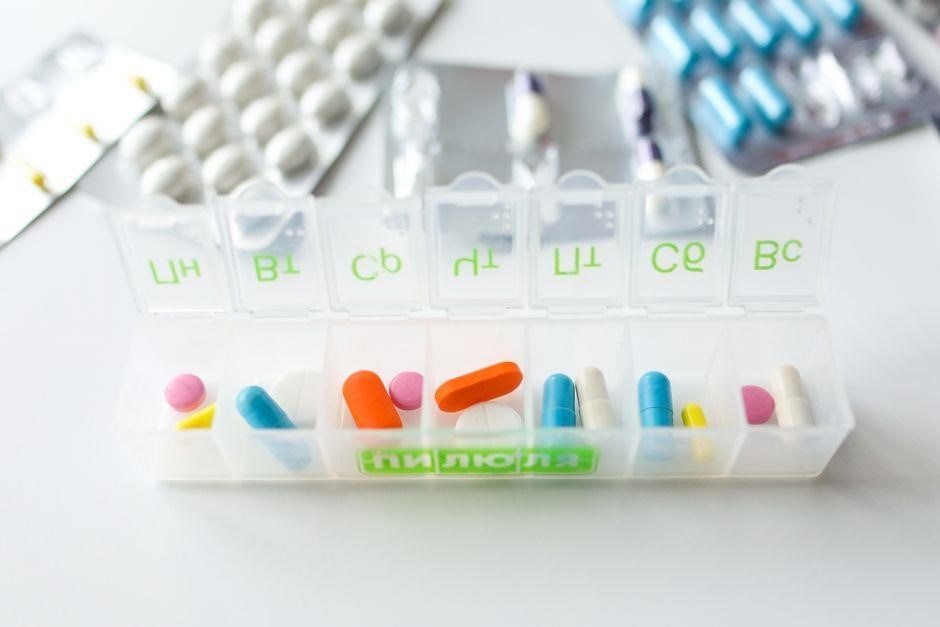
Full‑color photoguide pages show tablets and capsules side‑by‑side, with size, shape, color, and imprint details. Users can zoom, compare, and annotate, aiding rapid identification in clinical settings and reducing medication errors. Verify dosage forms fast. now
Full-Color Photoguide for Tablets and Capsules

Full‑color photoguide pages in the drug book PDF display every tablet and capsule in vivid detail, showing shape, size, color, and imprint for rapid visual confirmation. The 32‑page guide concentrates on the most commonly prescribed oral dosage forms, enabling nurses and pharmacists to verify identity at a glance. Each image is paired with concise descriptors, allowing users to cross‑reference with medication labels and reduce dispensing errors. High‑resolution graphics support accurate matching even in low‑light clinical settings, and the PDF format permits easy zooming and printing. By incorporating this photoguide into routine medication checks, healthcare professionals can enhance patient safety, streamline workflow, and ensure regulatory compliance. Images include key distinguishing features—unique imprints, color bands, shape variations—to differentiate similar‑looking drugs. Interactive PDF elements, such as clickable links to full drug profiles, enable deeper exploration of pharmacodynamics, contraindications, and dosage adjustments. This seamless blend of visual aids and textual data empowers clinicians to make informed decisions, especially during high‑pressure scenarios like emergency triage or discharge reconciliation. Users can print the guide double‑sided, folding pages to create a bedside reference. Clinicians can also annotate images directly within the PDF, marking key features for future reference. The photoguide’s design prioritizes clarity with contrast backgrounds and legible fonts that reduce eye strain. Overall, the full‑color photoguide serves as a vital tool in modern pharmacy practice, bridging complex drug information with everyday clinical workflow?!

Pharmacokinetics in PDFs
Pharmacokinetics sections in drug book PDFs detail absorption, distribution, metabolism, and excretion. They present half‑life, bioavailability, and metabolic pathways, aiding clinicians in dose adjustment and anticipating drug interactions. Updated annually.!!
Drug Metabolism to Inactive Compounds
In drug book PDFs, the metabolism section explains how the body transforms active pharmaceuticals into inactive metabolites, which are typically cleared more efficiently. The text outlines key enzymatic pathways—primarily cytochrome P450 isoforms, UDP‑glucuronosyltransferases, and sulfotransferases—highlighting how genetic polymorphisms can alter drug clearance rates. It also details the impact of hepatic impairment on first‑pass metabolism, noting that reduced liver function can prolong plasma half‑life and increase exposure to parent drugs. The PDF includes tables that list common metabolic routes for each drug class, such as beta‑blockers, statins, and antiepileptics, and indicates whether the metabolites retain activity or are inert. For instance, morphine is metabolized to morphine‑6‑glucuronide, an active compound with potent analgesic properties, whereas codeine is converted to morphine via CYP2D6, a process that varies widely among individuals. The document also covers the role of renal excretion for metabolites that are not further biotransformed, stressing the importance of dose adjustment in patients with chronic kidney disease. By presenting metabolic data in a concise, searchable format, the PDF enables clinicians to anticipate drug interactions, adjust dosing regimens, and improve patient safety. The information is updated annually to reflect new FDA approvals and emerging pharmacogenomic insights.
This section also references pharmacokinetic modeling tools, illustrating how in vitro metabolism data translate into dosing adjustments, thereby bridging laboratory findingspractic
Free PDF Downloads and Print Formatting Tips
Free drug book PDFs are widely available through university libraries, professional societies, and government portals. The National Library of Medicine hosts drug monographs that can be downloaded as PDFs. Many publishers also offer a limited‑time preview of their latest editions, allowing users to evaluate content before purchase. These resources are typically free to download for academic and clinical use, and they provide comprehensive drug profiles. Always verify that the PDF is the most recent edition, as drug information changes frequently due to new approvals, safety alerts, or dosage updates.
Printing a PDF efficiently requires a few simple adjustments. Set the page orientation to landscape for wide tables and drug lists. Enable “fit to page” or “shrink to fit” in the print dialog to avoid clipping of long tables or footnotes. Use the “two‑sided” print setting to reduce paper consumption, especially when the PDF contains multiple pages of drug profiles. If the PDF contains a large amount of text, consider a booklet layout. Additionally, printing in duplex mode can further reduce paper usage by half. When printing, choose a paper size that matches the PDF layout to avoid unnecessary trimming. Always preview the printout before committing to a large batch, as some PDFs use non‑standard fonts that may not render correctly on all printers.
When sharing PDFs with colleagues, use the “share” function to send a link rather than the entire file, preserving bandwidth and ensuring that recipients always access the latest version. Annotating key sections helps clinicians quickly reference critical information during rounds. Regularly updating the PDF ensures that practitioners have the most current safety information at hand. Stay current.